




Addressing Airflow Issues with Practical Tunnel Fans in Underground Mining
2026-04-17
Addressing Airflow Issues with Practical Tunnel Fans in Underground Mining
The Importance of Airflow in Underground Mining
In the challenging environment of underground mining, maintaining proper airflow is crucial for the safety and efficiency of operations. Airflow directly impacts the health of miners, the efficiency of machinery, and the overall productivity of mining activities. **Adequate ventilation** ensures that miners have access to fresh air while removing harmful gases and dust, thereby reducing health risks.
Understanding Airflow Dynamics in Mines
Airflow dynamics in underground mines involve a complex interplay of various factors, including tunnel geometry, fan placement, and external environmental conditions.
1. Factors Affecting Airflow
Several key elements influence airflow within underground mining tunnels:
- **Tunnel Design**: The layout and dimensions of tunnels can significantly affect how air circulates. Wider tunnels may allow for better airflow, while narrow passages can restrict movement and cause stagnation.
- **Fan Placement**: Positioning fans strategically can optimize air distribution throughout the mine. Fans placed too close to the entry points may not effectively push air deeper into the workings.
- **Temperature and Pressure Variations**: Changes in temperature and pressure can impact the behavior of air. Warmer air tends to rise, while cooler air sinks, creating natural convection currents that can be harnessed for better airflow.
2. Types of Airflow in Mining Operations
Understanding the types of airflow in mining environments is essential for implementing effective ventilation strategies. The primary types include:
- **Natural Ventilation**: This occurs due to temperature differences between the mine and the surface, creating a natural draft. While cost-effective, natural ventilation may not always provide sufficient airflow in deeper mines.
- **Mechanical Ventilation**: This involves the use of fans to actively circulate air. Mechanical ventilation is critical for maintaining safe air quality levels, especially in deeper mines where natural ventilation is inadequate.
Introduction to Tunnel Fans
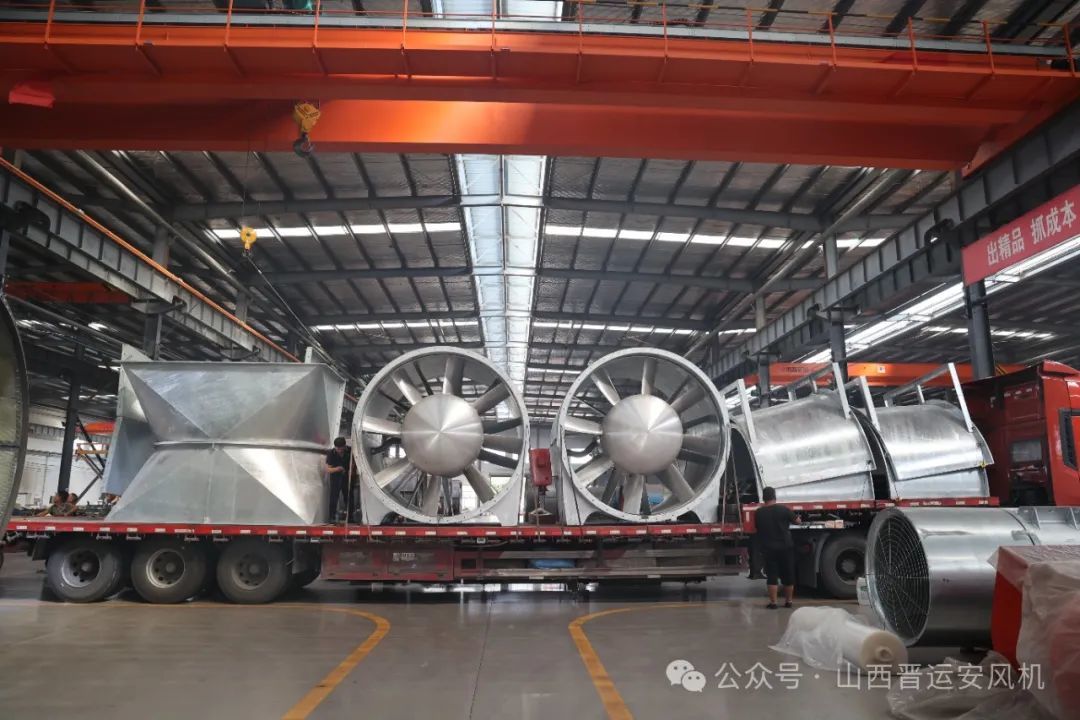
Tunnel fans play a vital role in enhancing airflow within underground mining operations. These fans are designed to manage large volumes of air, ensuring that miners work in safe and breathable conditions.
1. Types of Tunnel Fans
There are several types of tunnel fans used in mining, each suited for specific requirements:
- **Axial Fans**: These fans move air parallel to the fan's axis. They are typically used for low-pressure, high-flow applications, making them ideal for providing ventilation in long tunnels.
- **Centrifugal Fans**: Operating by converting rotational energy into air pressure, centrifugal fans are effective in high-pressure applications. They are often used where higher resistance is encountered, such as in winding tunnels.
2. Choosing the Right Tunnel Fan
Selecting the appropriate tunnel fan requires careful consideration of several factors:
- **Airflow Requirements**: Calculate the necessary airflow based on the size of the tunnel and the number of miners working underground.
- **Pressure Needs**: Determine the required static pressure that the fan must overcome. This will depend on the length and complexity of the ventilation system.
- **Energy Efficiency**: Opt for energy-efficient models to reduce operational costs while maintaining effective airflow.
Implementing Effective Airflow Solutions
Implementing airflow solutions in underground mining requires a systematic approach. Below are some strategies to enhance ventilation:
1. Conducting Airflow Assessments
Regular airflow assessments are critical for identifying potential issues within the ventilation system. This involves measuring air velocity, pressure differences, and gas concentrations at various points in the tunnel.
2. Using Computational Fluid Dynamics (CFD)
Employing CFD simulations can provide invaluable insights into airflow patterns within the mining environment. This technology allows for the visualization of airflow and can help in optimizing fan placement and tunnel design.
3. Regular Maintenance of Tunnel Fans
Routine maintenance of tunnel fans is essential to ensure their efficient operation. Regular checks should include:
- **Blade Condition**: Inspect fan blades for wear and tear, as damaged blades can severely impact airflow efficiency.
- **Motor Performance**: Ensure that motors are running optimally to avoid unexpected downtimes.
- **Dust Removal**: Fans should be kept clean from dust and debris to maintain their efficiency.
Safety Considerations in Airflow Management
Safety should always be a priority when managing airflow in underground mining operations. Inadequate ventilation can lead to serious health hazards for miners, such as exposure to harmful gases and decreased oxygen levels.
1. Monitoring Air Quality
Continuous monitoring of air quality is essential for maintaining a safe working environment. Implement gas detection systems to measure levels of:
- **Carbon Monoxide (CO)**: A dangerous byproduct of incomplete combustion that can lead to poisoning.
- **Methane (CH4)**: A highly flammable gas that poses a significant explosion risk.
- **Dust Particles**: Monitoring dust levels helps in controlling respiratory hazards for miners.
2. Training and Awareness Programs
Conduct regular training sessions for miners on the importance of ventilation and how to recognize signs of poor airflow. Empowering workers to understand airflow dynamics can enhance safety and compliance with ventilation protocols.
Best Practices for Optimizing Tunnel Fan Performance
Optimizing tunnel fan performance is essential for achieving effective airflow in underground mines. Consider the following best practices:
1. Optimize Fan Speed Control
Implement variable speed drives to allow for the adjustment of fan speeds according to real-time airflow requirements. This adaptability can lead to significant energy savings while maintaining effective ventilation.
2. Implement a Controlled Ventilation Strategy
A controlled ventilation strategy involves using fans to regulate airflow based on mining activities and the number of miners present. Adjusting ventilation based on occupancy can improve energy efficiency.
3. Utilize Auxiliary Fans
In addition to main tunnel fans, auxiliary fans can provide targeted airflow to specific areas within the mine. These portable fans can be deployed as needed to address localized airflow issues.
Environmental Considerations in Airflow Management
The impact of mining activities on the environment is a growing concern. Effective airflow management can mitigate some of these impacts.
1. Reducing Dust Emissions
Controlling dust emissions is crucial in protecting the health of miners and minimizing environmental impact. Tunnel fans can be used to dilute and disperse dust, ensuring that it does not accumulate in harmful concentrations.
2. Energy Efficiency and Sustainability
Investing in energy-efficient tunnel fans not only reduces operational costs but also contributes to a more sustainable mining operation. Enhanced efficiency translates to lower energy consumption and reduced carbon emissions.
Future Trends in Tunnel Fan Technology
As technology advances, the future of tunnel fans in underground mining looks promising. Emerging trends include:
1. Smart Fan Systems
The integration of IoT (Internet of Things) technology into tunnel fan systems can enable real-time monitoring and management. Smart fans can autonomously adjust their performance based on changing airflow conditions and environmental factors.
2. Enhanced Materials and Design
Advancements in materials science are leading to the development of lighter, more durable fan components. Innovations in design can enhance airflow efficiency and reduce maintenance requirements.
Conclusion
Addressing airflow issues in underground mining not only enhances safety and productivity but also fosters a healthier working environment. By understanding airflow dynamics, utilizing practical tunnel fans, and implementing best practices, mining operations can effectively manage ventilation challenges. As technology continues to evolve, the future holds exciting possibilities for improving airflow management in mines, paving the way for safer and more efficient underground operations.
FAQs
1. What are the primary causes of airflow issues in underground mining?
Airflow issues can be caused by inadequate ventilation design, improper fan placement, tunnel geometry, and external environmental factors affecting pressure and temperature.
2. How do tunnel fans contribute to mine safety?
Tunnel fans enhance mine safety by maintaining breathable air quality, removing harmful gases, and controlling dust levels, thereby protecting miners' health.
3. What types of tunnel fans are best for underground mining?
Axial and centrifugal fans are commonly used in mining. Axial fans are best for low-pressure applications, while centrifugal fans are suited for high-pressure scenarios.
4. How can I optimize the performance of tunnel fans?
Optimizing fan performance can be achieved through regular maintenance, smart speed control, and implementing a controlled ventilation strategy tailored to mining activities.
5. What technologies are shaping the future of tunnel fans?
Emerging technologies such as smart fan systems and advanced materials are enhancing the efficiency and functionality of tunnel fans, promising improvements in airflow management.
Keywords:
Related News
The Critical Role of Air Flow Rate in Axial Flow Fans for Enhancing Tunnel Safety
29 Apr,2026
The Rising Demand for Tunnel Fans: Enhancing Air Quality in Mining Operations
26 Apr,2026

23 Apr,2026
Contact Us
Service Hotline:
Contact Number:
Company Email:
Contact Address:
No. 1600, Tangli West Road, Yuncheng Economic and Technological Development Zone, Yuncheng City, Shanxi Province

Follow WeChat Official Account
Follow Douyin Account
Company Website Browsing


Online Message
We attach great importance to your opinions and inquiries.
If you have any questions about our products and services, please fill out the following form, and we will contact you as soon as possible.
Powered by 300.cn | Privacy Policy