




The Critical Role of Air Flow Rate in Axial Flow Fans for Enhancing Tunnel Safety
2026-04-29
The Critical Role of Air Flow Rate in Axial Flow Fans for Enhancing Tunnel Safety
Table of Contents
- Introduction to Axial Flow Fans and Their Importance in Tunnels
- Understanding Air Flow Rate and Its Measurement
- Impact of Air Flow Rate on Tunnel Safety
- Ventilation Requirements in Tunnels
- Pollutant Removal and Air Quality Control
- Temperature Regulation and Comfort
- Design Considerations for Axial Flow Fans
- Technological Advancements in Axial Flow Fan Design
- Case Studies: Successful Implementations
- Future Trends in Tunnel Ventilation Systems
- Conclusion
- FAQs
Introduction to Axial Flow Fans and Their Importance in Tunnels
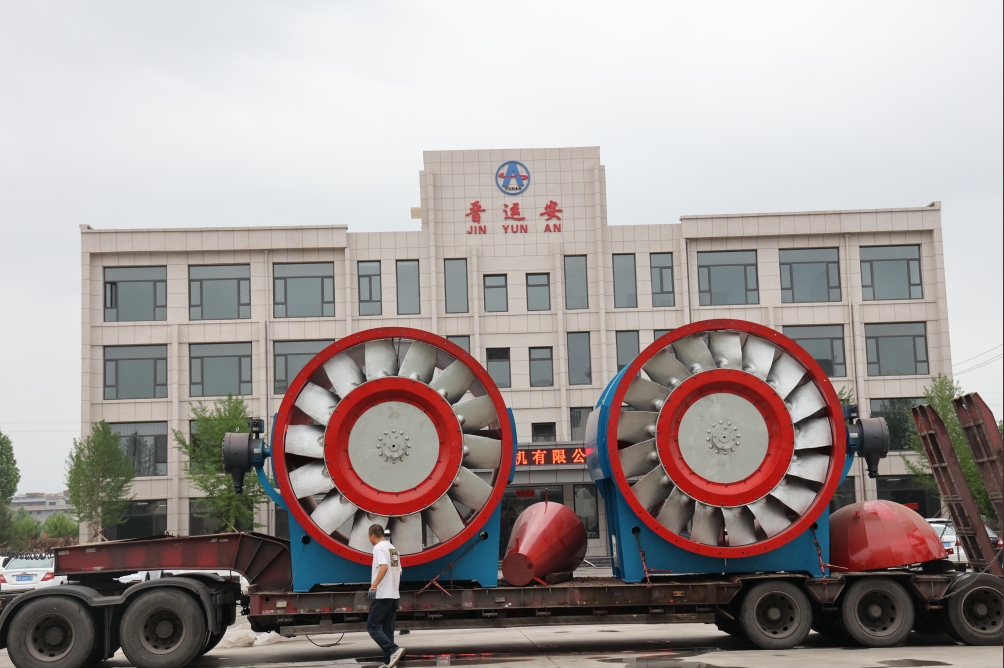
In the realm of tunnel safety and operations, **axial flow fans** play a pivotal role. These fans are specifically designed to move air efficiently, providing essential ventilation in confined spaces such as mining tunnels, roadways, and underground construction sites. The **air flow rate** generated by these fans is crucial in ensuring a safe environment for workers and equipment. In this article, we will delve deep into the importance of air flow rate in axial flow fans and how it directly impacts tunnel safety.
Understanding Air Flow Rate and Its Measurement
Air flow rate refers to the volume of air that passes through a specific point in a given time, typically measured in cubic meters per second (m³/s) or cubic feet per minute (CFM). It can be quantified using various methods, such as anemometers or flow hoods, which provide accurate readings of the efficiency and effectiveness of ventilation systems.
Impact of Air Flow Rate on Tunnel Safety
The significance of air flow rate in axial flow fans cannot be overstated—it directly affects several safety parameters within tunnels.
Ventilation Requirements in Tunnels
Adequate ventilation is vital for maintaining safe oxygen levels and minimizing hazardous concentrations of gases, such as carbon monoxide and methane. A well-calibrated air flow rate ensures that fresh air enters the tunnel, diluting harmful pollutants and maintaining breathable air quality for workers.
Pollutant Removal and Air Quality Control
In mining operations, the release of dust and toxic gases is common. The air flow rate must be sufficient to effectively remove these pollutants from the work environment. High air flow rates promote rapid dispersion and dilution of harmful substances, significantly reducing the risk of respiratory issues among workers.
Temperature Regulation and Comfort
Another crucial aspect of air flow rate is its role in temperature regulation. In confined spaces, heat can accumulate quickly, especially during peak operational times. An optimal air flow rate helps to dissipate heat, maintaining a comfortable working environment. This is particularly important for worker productivity and overall safety.
Design Considerations for Axial Flow Fans
When selecting axial flow fans for tunnel applications, various design considerations must be taken into account.
Fan Selection Criteria for Optimal Performance
Choosing the right axial flow fan involves assessing factors such as the required air flow rate, pressure drop, and fan efficiency. It is essential to ensure that the fan’s specifications align with the tunnel's ventilation requirements.
Importance of Regular Maintenance
Regular maintenance is crucial to ensure that axial flow fans operate at peak efficiency. Neglecting maintenance can lead to reduced air flow rates, increased energy consumption, and a higher risk of operational failures, which can jeopardize tunnel safety.
Technological Advancements in Axial Flow Fan Design
The design and functionality of axial flow fans have evolved significantly in recent years. Contemporary fans incorporate advanced materials and technologies that enhance their performance and durability. Innovations include variable speed drives, improved blade designs, and energy-efficient motors that optimize air flow rates while minimizing power consumption.
Case Studies: Successful Implementations
Numerous case studies illustrate the importance of air flow rate in axial flow fans and their impact on tunnel safety. For instance, a mining operation in Australia implemented a sophisticated ventilation system, utilizing advanced axial flow fans that increased air flow rates by over 30%. This enhancement not only improved air quality but also reduced the incidence of heat-related illnesses among workers.
Future Trends in Tunnel Ventilation Systems
The future of tunnel ventilation systems is promising, with trends shifting towards smarter, more efficient technologies. The integration of **IoT solutions** can enable real-time monitoring of air quality and flow rates, allowing for immediate adjustments to fan operations as needed. Moreover, sustainable practices will likely dominate, with an emphasis on minimizing energy costs while maximizing safety.
Conclusion
In summary, the **air flow rate** in axial flow fans is a critical component for ensuring the safety and efficiency of tunnels. By understanding its importance and implementing effective ventilation strategies, we can significantly enhance worker safety and operational effectiveness. The advancements in fan technology and design further demonstrate the potential for improved safety standards in tunnel environments, making it imperative for industry stakeholders to prioritize effective ventilation solutions.
FAQs
1. What is the ideal air flow rate for axial flow fans in tunnels?
The ideal air flow rate varies depending on the tunnel size, type of operation, and environmental conditions. Generally, it should be sufficient to maintain breathable air quality and control temperature and pollutant levels effectively.
2. How can I measure the air flow rate of an axial flow fan?
Air flow rate can be measured using devices such as anemometers or flow hoods, which provide accurate readings of air velocity and volume.
3. What are the consequences of inadequate air flow in tunnels?
Inadequate air flow can lead to poor air quality, increased risk of accidents, heat stress, and respiratory problems among workers.
4. How often should axial flow fans be maintained?
Regular maintenance should be conducted at least once every six months, or more frequently if the fan is subjected to harsh conditions or heavy use.
5. What advancements are being made in axial flow fan technology?
Recent advancements include the use of energy-efficient motors, smart controls for real-time monitoring, and improved blade designs that enhance performance and durability.
Keywords:
Related News

FBD Local Fan for Mining – Efficient Underground Ventilation Solution
10 Jun,2026
Understanding Practical Tunnel Fans: Essential Equipment for Mining Ventilation
08 Jun,2026

The Science Behind High-Temperature Tunnel Fans in Ventilation Systems
05 Jun,2026
Contact Us
Service Hotline:
Contact Number:
Company Email:
Contact Address:
No. 1600, Tangli West Road, Yuncheng Economic and Technological Development Zone, Yuncheng City, Shanxi Province

Follow WeChat Official Account
Follow Douyin Account
Company Website Browsing


Online Message
We attach great importance to your opinions and inquiries.
If you have any questions about our products and services, please fill out the following form, and we will contact you as soon as possible.
Powered by 300.cn | Privacy Policy